
black round mirror with light
How to Replace Your Main Water Valve Shut Off A Step-by-Step Guide A main water valve shut off is a crucial component of your home’s plumbing system. It controls the flow of water into your home, ensuring that you can easily turn off the water during emergencies or when conducting repairs. Over time, these valves can wear out, leak, or become difficult to operate. Learning how to replace your main water valve shut off can save you money on plumbing bills and give you greater control over your home’s water supply. Why You Should Replace Your Main Water Valve Shut Off There are several reasons why you might need to replace your main water valve shut off. One of the most common issues is wear and tear that leads to leaks. A leaking valve can waste water and potentially lead to more significant plumbing issues if not addressed promptly. Additionally, if your valve is old or corroded, it may become almost impossible to turn off, which can be a serious problem during a plumbing emergency. Tools and Materials Needed Before you begin the replacement process, gather the following tools and materials - Adjustable wrench - Pipe wrench - Teflon tape - Replacement valve (make sure to get the right size) - Bucket or towel (to catch any water that may spill) Step-by-Step Process 1. Turn Off the Water Supply Before you do anything, locate your main water supply and turn it off. This is often found at the meter outside your home . If you cannot locate it, call your local water utility for assistance. replace main water valve shut off 2. Drain Your Pipes To avoid a mess, open your faucets and let the water drain from your pipes. This step is crucial, as it minimizes the water that may leak when you remove the old valve. 3. Locate the Main Shut-Off Valve Typically, this valve is found near where the water line enters your home, often in the basement or crawl space. 4. Remove the Old Valve Using the adjustable and pipe wrenches, carefully loosen the nuts and bolts attaching the valve to the pipe. Be cautious as you do this; there may still be residual water in the pipes. 5. Prepare the Pipe Once the old valve is removed, inspect the copper or PVC pipe for any damage. Clean the threads on the pipe where the valve was attached, ensuring that there is no old tape or debris. 6. Install the New Valve Wrap Teflon tape around the threads of the pipe to ensure a watertight seal. Attach the new shut-off valve to the pipe, tightening it with the wrench but being careful not to over-tighten, as this can cause damage. 7. Test the Installation Before reassembling everything, it’s a good idea to test the valve. Slowly turn the water supply back on, and check for any leaks around the new shut-off valve. If everything looks good, you can then fully turn the water back on and check the faucet. 8. Final Checks Once you’re satisfied with the installation, clean up your workspace, and store your tools. Make sure to inform all household members of the new valve’s location and operation. Conclusion Replacing your main water valve shut off is a manageable DIY task that can safeguard your home and improve your water control. With the right tools and preparation, this task can be accomplished in just a few hours. Regular maintenance and inspections of your valves can lead to fewer plumbing problems down the road. If you feel at any point that this task is beyond your skill level, it’s wise to consult or hire a professional plumber. By taking control of your plumbing repairs, you can maintain a functional and efficient home.
about
black round mirror with light
As industrial systems age, maintaining efficiency and reliability becomes increasingly challenging. Retrofitting outdated infrastructure with modern components like Y type strainer valves offers a cost-effective solution to extend operational life, reduce downtime, and enhance performance. These valves are designed to protect critical equipment by filtering debris, ensuring smooth fluid flow, and minimizing maintenance demands. This article explores the role of Y type water strainer , Y type suction strainer , Y type strainer valve , and Y type strainer filter in retrofitting projects, highlighting their unique benefits and applications. The Role of Y Type Water Strainer in Retrofitting Hydraulic Systems Hydraulic systems in older industrial setups often suffer from contamination due to rust, sediment, or particulate buildup. Integrating a Y type water strainer into these systems addresses these issues by capturing unwanted debris before it reaches pumps, valves, or actuators. The Y-shaped design allows for high flow capacity while maintaining a compact footprint, making it ideal for retrofitting into tight spaces. The Y type water strainer operates by directing fluid through a stainless steel mesh or perforated basket, which traps particles as small as 40 microns. This prevents abrasive materials from damaging downstream components, reducing wear and tear. For aging systems, this retrofit not only prolongs equipment life but also improves energy efficiency by maintaining optimal fluid pressure. Installation is straightforward, requiring minimal modifications to existing pipelines, which is a critical advantage for facilities aiming to avoid prolonged shutdowns. Enhancing Pump Protection with Y Type Suction Strainer Pumps are the heart of many industrial processes, and their failure can lead to costly disruptions. Retrofitting older pump systems with a Y type suction strainer is a proactive measure to safeguard against debris ingestion. Installed at the pump inlet, this strainer acts as a first line of defense, preventing large particles from entering and damaging impellers or seals. The Y type suction strainer features a robust construction, often using cast iron or stainless steel, to withstand high-pressure environments. Its Y-shaped configuration ensures minimal pressure drop, which is vital for maintaining pump efficiency. In retrofitting scenarios, the strainer’s ability to handle high flow rates without clogging makes it suitable for water treatment plants, chemical processing, and HVAC systems. Regular maintenance involves simply cleaning or replacing the strainer basket, ensuring long-term reliability without overhauling the entire system. Optimizing Flow Control with Y Type Strainer Valve Flow control is a critical aspect of system performance, especially in aging pipelines where turbulence or irregular pressure can lead to inefficiencies. A Y type strainer valve combines filtration and flow regulation, offering dual functionality in a single component. This valve is particularly beneficial in steam, gas, or liquid systems where contaminants must be removed without interrupting operations. The Y type strainer valve integrates a strainer mesh within its body, allowing operators to isolate and clean the filter without shutting down the system. This feature is invaluable in retrofitting projects, as it reduces downtime and maintenance costs. Additionally, the valve’s design minimizes resistance, ensuring consistent flow rates even in high-viscosity fluids. Industries such as oil and gas, power generation, and food processing have successfully incorporated these valves to modernize legacy systems while adhering to stringent safety standards. Improving Filtration Efficiency with Y Type Strainer Filter In systems where fine filtration is paramount, the Y type strainer filter provides a reliable solution. Unlike standard strainers, this component uses a multi-layered mesh or wedge wire screen to capture finer particles, ensuring cleaner output for sensitive applications. Retrofitting old systems with a Y type strainer filter is especially advantageous in pharmaceuticals, semiconductor manufacturing, and precision cooling systems. The Y type strainer filter excels in high-temperature and corrosive environments due to its compatibility with materials like duplex stainless steel or Hastelloy. Its Y-shaped orientation allows for easy access during maintenance, while the large filtration area reduces the frequency of cleanings. By upgrading to this type of filter, facilities achieve higher product quality, reduced waste, and compliance with environmental regulations—all without replacing entire pipelines or processing units. FAQs About Retrofitting Systems with Y Type Strainer Components What are the primary benefits of installing a Y type water strainer in an old system? The Y type water strainer enhances system longevity by removing debris that causes abrasion. It also improves energy efficiency by maintaining consistent flow rates and requires minimal downtime for maintenance. How does a Y type suction strainer differ from other inlet filters? The Y type suction strainer is designed for high-flow, low-pressure-drop applications. Its compact Y-shaped body allows it to fit into confined spaces, unlike bulky inline filters, while providing superior protection for pumps. Can a Y type strainer valve handle high-temperature fluids? Yes, Y type strainer valves are constructed from materials like stainless steel or carbon steel, making them suitable for steam, hot oil, or other high-temperature media up to 500°F (260°C). What maintenance is required for a Y type strainer filter? The Y type strainer filter requires periodic cleaning or replacement of the filter mesh. Frequency depends on the contaminant load, but most designs allow quick access without disassembling the pipeline. Are Y type strainer valves components compatible with corrosive chemicals? Absolutely. Y type strainer valves and filters can be manufactured from corrosion-resistant alloys like Hastelloy or titanium, ensuring durability in chemical processing or seawater applications. Retrofitting aging industrial systems with Y type strainer valves , Y type water strainer , Y type suction strainer , and Y type strainer filter is a strategic investment in operational resilience. These components address common challenges like contamination, pump damage, and inefficient flow control, delivering immediate and long-term benefits. By prioritizing retrofitting over full system replacements, industries can achieve cost savings, reduced environmental impact, and seamless integration with legacy infrastructure. As technology advances, these Y-type solutions remain a cornerstone of modern industrial maintenance strategies.
-

High quality industrial productsagement

High quality industrial products
View Details -

Meet the diverse needs of customers

Meet the diverse needs of customers
View Details -

Strict quality control

Strict quality control
View Details -

Top raw materials

Top raw materials
View Details -

Trusted supplier

Trusted supplier
View Details
Our application

news and information
Válvula de puerta de 50 mm
Válvula de compuerta de 50 mm una solución eficaz para el control de fluidos La válvula de compuerta
valve supplier
Choosing the right valve supplier is a critical decision for manufacturers and industries worldwide.
Wholesale Suppliers for High-Quality Ball Valves in Diverse Applications
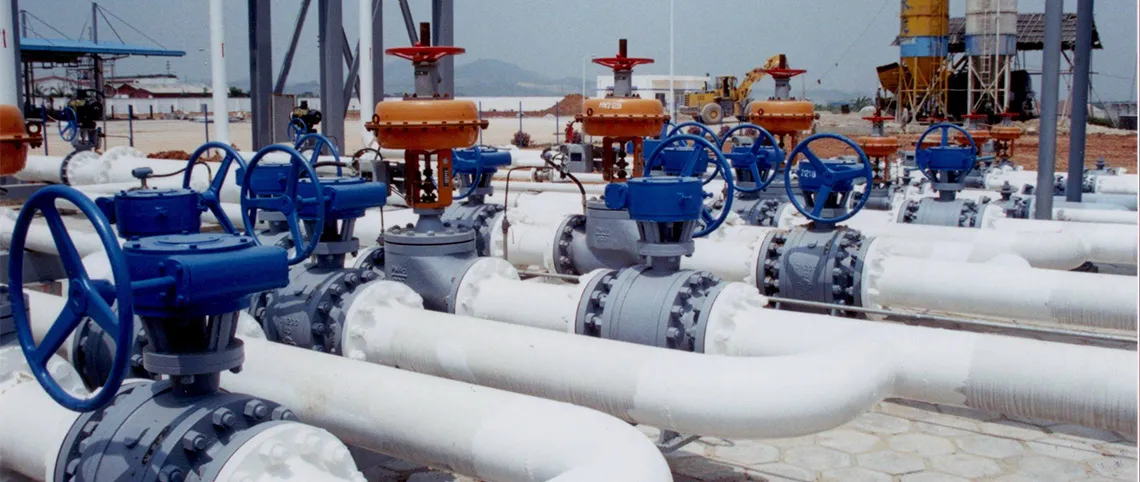
The Wholesale Market for Ball Valves Trends and Insights In the industrial landscape, ball valves pl
 English